



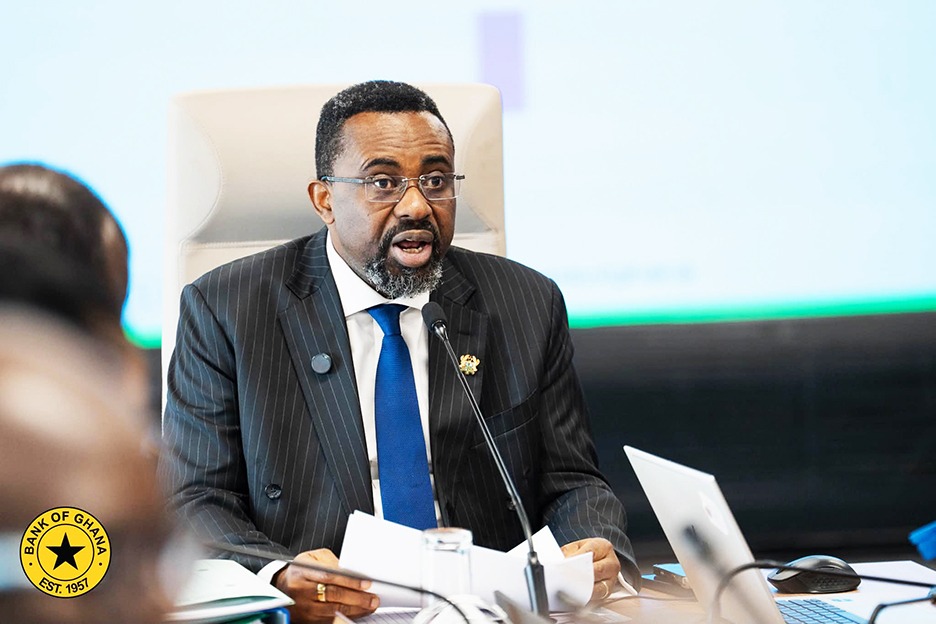
The Bank of Ghana’s seven-member Monetary Policy Committee (MPC) has unanimously maintained the policy rate at 14 percent, with members warning that rising fuel and food prices, external shocks and pressure on the cedi could threaten the inflation outlook.
The individual decisions released by the Bank show that concerns over inflation and global uncertainty outweighed the case for another rate adjustment, despite signs of strong economic growth.
One MPC member warned that worsening external conditions, potentially compounded by El Niño-related weather disruptions, could push up imported inflation and renew pressure on the exchange rate.
“These developments pose upside risks to the inflation outlook and warrant a cautious monetary policy stance,” the member said.
Other members pointed to rising domestic petroleum prices, utility tariff adjustments and higher shipping costs as factors that could keep inflation elevated, particularly non-food inflation.
Maintaining the rate, the majority argued, would allow the committee to assess whether recent price increases would persist and how external shocks could affect inflation over the medium term.
The decision comes as Ghana records positive growth indicators, with the economy expanding by 6 percent in the second quarter of 2026 and the Composite Index of Economic Activity rising by 14.9 percent year-on-year in July.
However, international reserves had declined from US$14 billion to US$12 billion by September 22, amid high payment obligations and anticipated external debt servicing.