


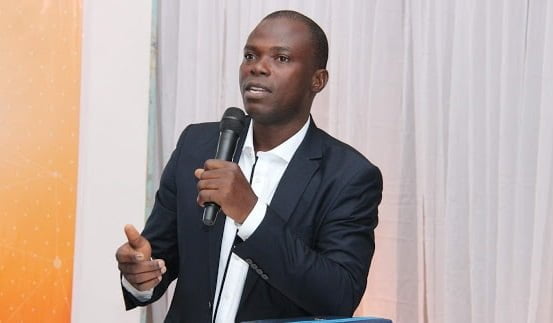
Executive Director of the Media Foundation for West Africa, Sulemana Braimah, has questioned the effectiveness of Ghana’s growing number of anti-corruption institutions, arguing that the increase has not prevented corruption from worsening.
He that Ghana already has institutions such as the Economic and Organised Crime Office (EOCO) and the Commission on Human Rights and Administrative Justice (CHRAJ), and more mandated to deal with corruption and related offences .
However, he said these institutions continue to face capacity limitations that affect their ability to tackle corruption effectively.
Speaking on Newsfile, Braimah questioned whether Ghana is genuinely committed to fighting corruption or is merely establishing institutions in the name of combating the practice.
“The fact appears that the more institutions we have, the more corruption goes high,” he stated.
Braimah said the continued occurrence of corrupt practices raises questions about whether existing institutions are actually capable of addressing the problem.
“If the people really believe that our institutions can fight corruption, some of these acts and things won’t be happening,” he said.
He therefore argued that the fight against corruption requires more than the establishment of institutions, stressing the need for the political will and national architecture necessary to make them effective.