



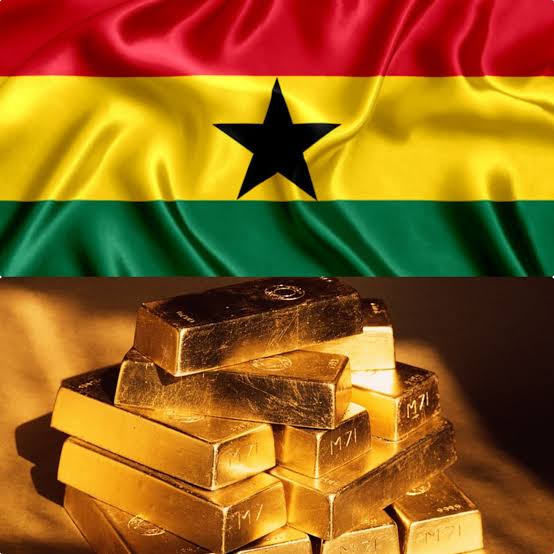
GoldBod CEO Sammy Gyamfi has cited an estimated 229-tonne gap between Ghana’s reported gold exports and the imports declared by its trading partners between 2019 and 2023, arguing that large quantities of the country’s gold were escaping the formal economy.
Speaking at the 2026 Mining in Motion Conference, Gyamfi said the gap, valued at approximately $11.4 billion in an analysis he referenced, highlighted the scale of the challenges facing Ghana’s small-scale gold trade before the introduction of reforms.
“This was Ghanaian gold without Ghanaian value, absent from our foreign receipts, foreign exchange inflows, reserve accumulation and development revenue,” he said.
Gyamfi explained that official small-scale gold exports had fallen sharply over the years, dropping from 75.7 tonnes in 2018 to 53.4 tonnes in 2019 and 39.3 tonnes in 2020.
He said recorded exports fell further to 3.4 tonnes in 2021 after a 3% withholding tax was imposed on processed small-scale gold.
“The gold beneath our soil had not disappeared, nor had production stopped. The trade had simply moved beyond official view,” he said.
According to Gyamfi, the sector had been affected by informal trading, smuggling, weak regulatory oversight and ineffective systems for aggregating gold and repatriating foreign exchange earnings.
He said GoldBod was established to address these problems by taking a central role in gold purchasing, sales, exports, assaying and regulation.
Among the measures introduced were a licensing system for local traders, uniform and transparent pricing, digital stock booking, official receipts and a task force to monitor compliance and tackle illegal gold trading.
Foreign participation in local gold trading was also restricted, with foreign buyers required to obtain gold through GoldBod or licensed, self-financing aggregators.
Gyamfi said the reforms were designed to bring more gold into official channels and ensure that the resulting foreign exchange benefited Ghana’s economy.
He described the recovery of previously unrecorded gold into the formal economy as “production clawback”, saying the objective was to ensure that the country gained more revenue and foreign exchange from gold it was already producing.