



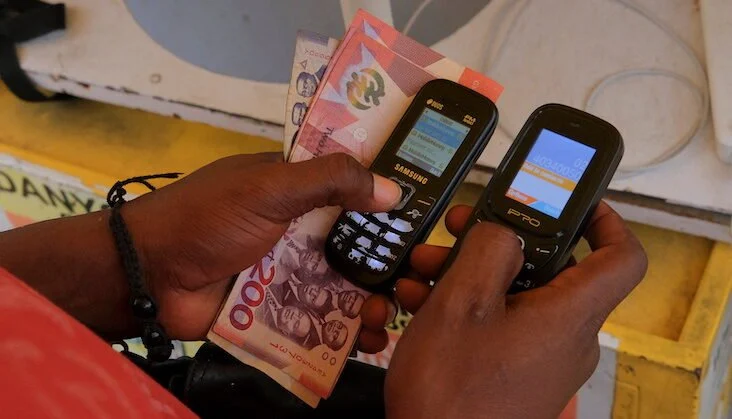
Some people appear financially comfortable because they dress well, own nice phones and maintain an active social life.
However, appearances do not always reflect what is happening in their bank accounts. A person can look successful while struggling to meet basic expenses.
1. They run out of money before payday
Their salary may look good on paper, but they regularly struggle to get through the final days of the month.
2. They borrow to maintain their lifestyle
They may borrow money to attend events, buy clothes or cover expenses they cannot comfortably afford.
3. They delay paying certain bills
Rent, utility bills, school fees or other obligations may remain unpaid because their money is already committed elsewhere.
4. They panic when an emergency comes up
An unexpected hospital bill, car repair or family emergency can throw their finances into disarray because they have little or no emergency savings.
5. They depend heavily on mobile money loans
Repeatedly taking short-term loans to survive until payday can indicate that their regular income is not covering their expenses.
6. They use one loan to pay another
Instead of reducing their debt, they keep borrowing to settle previous obligations, making it increasingly difficult to get ahead.
7. They cannot afford to miss one salary payment
Even a short delay in receiving their salary can leave them unable to pay for food, transport or other essentials.
8. They spend money as soon as it arrives
Rather than planning how to use their income, they make purchases immediately and later struggle to cover important expenses.
9. They avoid conversations about money
Some people become uncomfortable when asked about their financial situation because they are struggling to manage their commitments.
10. They maintain appearances at the expense of their needs
They may spend on expensive outings, fashionable clothes and social events while neglecting savings, bills or other priorities.
The important thing to remember is that none of these signs alone proves someone is struggling financially. The pattern of behaviour matters more than any single purchase or lifestyle choice.