


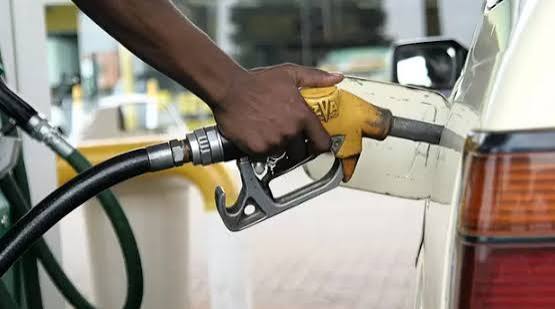
Starsavers and many motorists may have noticed that fuel prices have been trending upward steadily this week, even though we are only midway through the 16–31 July pricing window.
Many customers assume that fuel prices change only at the beginning of each pricing window and then remain largely unchanged until the next one begins.
That is generally true. However, during periods of exceptional volatility in the global oil market, that assumption no longer holds.
Since the start of this pricing window, international prices have risen sharply. World market prices of gasoline have increased by nearly 20%, while diesel prices have risen by approximately 25%. Over the same period, the Ghana cedi has also experienced some depreciation against the US dollar.
If these conditions persist, they point to higher fuel prices from 1 August 2026, unless there is some form of government intervention similar to the measures introduced by the Government during the first phase of the US–Israel–Iran conflict.
So why are OMCs increasing prices already instead of waiting until 1 August?
The answer lies in how the Ghanaian petroleum market operates.
There are over 200 Oil Marketing Companies (OMCs) in Ghana. The majority purchase petroleum products on a daily cash-and-carry basis, meaning every new stock purchase is priced using prevailing international petroleum prices and the current exchange rate. This is necessary to prevent arbitrage opportunities. As their replacement cost rises almost every day, these companies have little choice but to adjust pump prices accordingly.
StarOil operates differently.
Because of our scale, we purchase significant volumes in advance to cover the entire pricing window. This strategy allows us to shield our customers from day-to-day fluctuations and keep prices stable for as long as possible.
However, when many other OMCs increase their prices rapidly, motorists naturally shift their purchases to StarOil. While we are always grateful for that confidence, it also means our planned stock for the pricing window can be depleted much faster than anticipated. We are then forced to purchase additional volumes at the new, much higher replacement costs.
That is why, even though we buy ahead, we sometimes have to adjust our prices gradually during periods of extreme market volatility. It is not because our original stocks became more expensive, but because we have to replenish them at significantly higher world market prices while meeting unexpectedly high demand.
We remain committed to keeping prices as low as responsibly possible. Our objective has always been to absorb cost increases whenever we can and pass them on only when it becomes unavoidable.
We hope market conditions stabilize before the next pricing window begins.
I hope this explains the current situation.
Thanks
KT – AKA Alhaji Gao
BY: Kwame Tieku